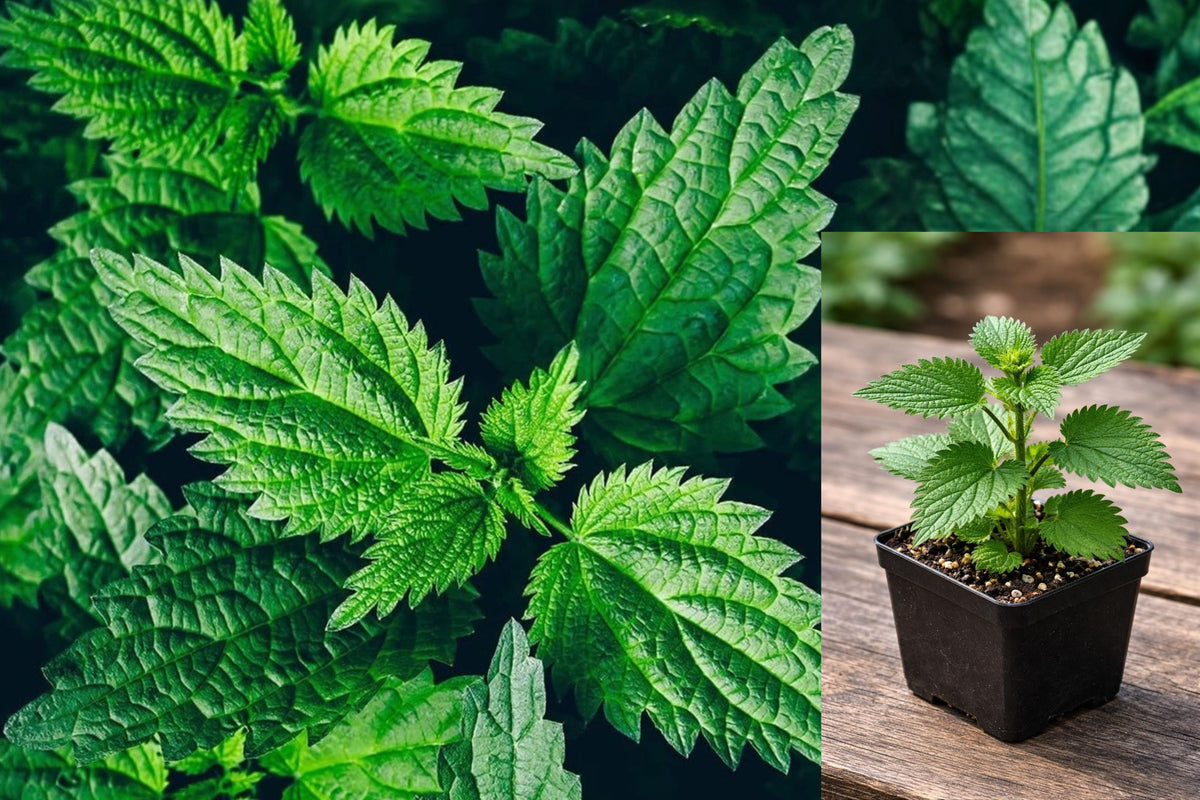
Stinging Nettle Live Plant, Urtica dioica in 3 Inch Pot, Edible Herb Garden Plant, Survival and Self Sufficiency Garden
Stinging Nettle Live Plant, Urtica dioica in 3 Inch Pot, Edible Herb Garden Plant, Survival and Self Sufficiency Garden
Couldn't load pickup availability
Stinging Nettle Live Plant – Urtica dioica in a 3–4 Inch Pot
Add a useful and fascinating herb to your garden with a live Stinging Nettle plant (Urtica dioica). Valued for its traditional culinary uses and long history in herbal traditions, stinging nettle is a perennial herb that can be grown in an herb garden or a dedicated self-sufficiency garden.
This plant is an interesting choice for gardeners who enjoy growing traditional edible plants, exploring heritage herbs, and building a diverse home garden.
Your order includes one live stinging nettle plant in a 3–4 inch pot.
Plant Details
-
Common name: Stinging Nettle
-
Botanical name: Urtica dioica
-
Plant type: Perennial herb
-
Pot size: Approximately 3–4 inches
-
Potential height: Approximately 1–5 feet, depending on growing conditions
-
Growing uses: Herb garden, traditional herb collection, and dedicated edible garden
-
Growth habit: Upright, spreading herb
-
Important feature: Leaves and stems have stinging hairs that can irritate skin
Growing and Care Guide
Light: Grow in partial shade to full sun, depending on your climate. In hotter regions, partial shade and consistent moisture can help the plant thrive.
Watering: Keep the soil evenly moist while the plant establishes. Avoid allowing container soil to dry out completely for extended periods.
Soil: Use nutrient-rich soil with good moisture retention and adequate drainage.
Spacing and containment: Stinging nettle can spread through underground rhizomes and self-seeding. Consider growing it in a dedicated container or a contained garden area to prevent unwanted spread.
Handling: Wear gloves and long sleeves when handling or pruning the plant. The stinging hairs can cause skin irritation.
Traditional Culinary Uses
Stinging nettle has a long history of use as a cooked leafy green and in herbal tea preparations. When correctly identified and prepared, young leaves can be cooked for use in soups and other recipes.
Important: Do not eat stinging nettle raw. Its stinging hairs can irritate the skin and mouth. Use reliable food-preparation guidance, and handle fresh plants carefully with protective gloves. Only consume plants you can confidently identify as edible stinging nettle.
Organic Growing Information
This listing describes the plant as organically grown. Any specific organic certification claim should be supported by the seller's applicable certification or other substantiation required in the marketplace where it is sold.
Please Note
-
You will receive a live plant in a 3–4 inch pot.
-
Plant height, leaf count, and appearance may vary naturally.
-
This is a living plant, not dried nettle, seeds, or a prepared herbal product.
-
Stinging nettle is not a substitute for medical care, and this listing does not promise allergy relief or other medical benefits.
Grow a traditional herb with a distinctive character and a place in many established culinary and gardening traditions. Stinging nettle can be a rewarding addition to a thoughtfully planned herb or self-sufficiency garden.
Share